
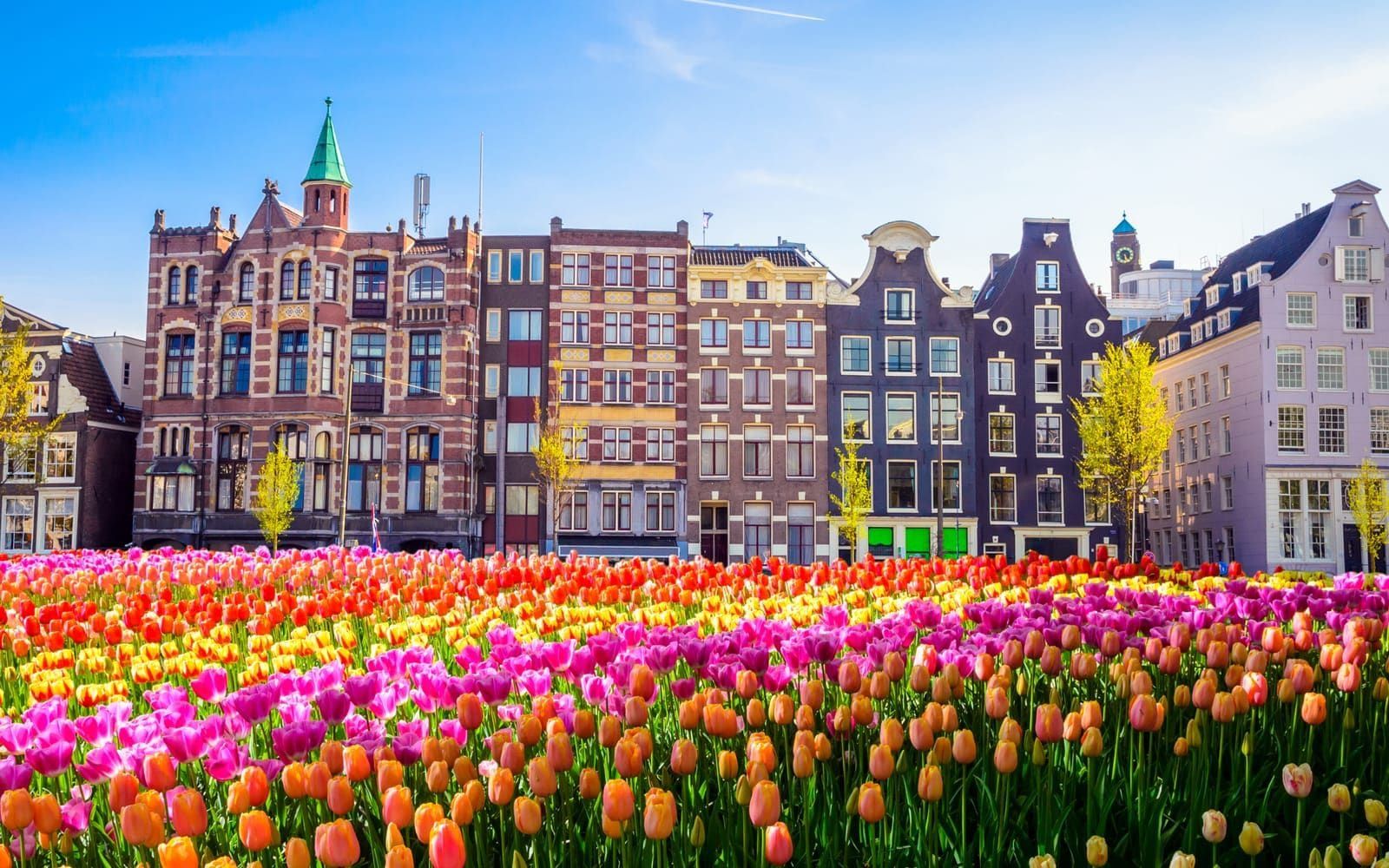
Rotterdam is the Netherlands nobody expects. Rebuilt after the war, it traded canals and gables for skylines and bold architecture, and it carries itself with a working-city confidence that feels closer to New York than to Amsterdam. It is also home to the largest port in Europe and one of the most international populations in the country.
For expats the practical case is simple: more space for your money than Amsterdam, excellent connections, English spoken everywhere, and a city that genuinely absorbs newcomers because half the city arrived from somewhere else too.
The character of the city
Rotterdam is direct, unpolished in the best way, and proud of work. It is a city of makers, port logistics, architecture firms and a fast-growing food and culture scene, from the Markthal to the galleries of the Witte de Withstraat. People will not make small talk in a queue, but they will help you without ceremony when you ask.
With over 170 nationalities, being international here is unremarkable. You will manage entirely in English while you learn Dutch, though learning basic Dutch remains the fastest way to feel at home anywhere in this country.
Neighbourhoods expats actually choose
The centre and Kop van Zuid suit those who want apartment living with the skyline at the door: modern towers, the Erasmus Bridge, restaurants and offices within walking distance. Katendrecht, the former harbour peninsula, mixes converted warehouses with new builds and has become one of the city’s most sought-after corners.
Families tend to look north and east: Hillegersberg and Kralingen offer houses with gardens, lakes, parks and quick access to international schools, at prices that would be fantasy in Amsterdam. Blijdorp and the Oude Noorden give a more local, pre-war streetscape, while suburbs and satellite towns such as Capelle aan den IJssel add space and value within an easy commute.
Housing value, in context
Rotterdam remains the most affordable of the large Dutch cities, though it is no longer cheap. For the price of a one-bedroom flat in Amsterdam you will generally find a two-bedroom apartment or more here, and family houses inside the city are a realistic goal rather than a lottery win.
The market moves fast all the same, and the best streets are contested. Everything in our housing guide applies here: complete file, same-day responses, and certainty that the address allows registration.
Schools, healthcare and daily practicalities
Families have real choice: international schools in and around the city, Dutch schools with newcomer classes that immerse children remarkably quickly, and bilingual options in between. Popular schools have waiting lists, so start the school search as early as the housing search.
Healthcare follows the standard Dutch model: register with a local huisarts as your first point of contact, and your insurer covers the rest. Day to day, Rotterdam is an easy city to run a life in: supermarkets everywhere, markets like the Binnenrotte for produce, and services that largely work online in English.
Getting around and getting out
The city runs on metro, tram and bicycle, and the cycling infrastructure is as good as anywhere in the country. The metro reaches deep into the region, including the port towns to the west, which matters if your work is in Europoort or on the Maasvlakte.
Rotterdam Centraal puts Amsterdam and Schiphol about 25 to 40 minutes away by intercity, Antwerp under an hour by high-speed train, and Paris within roughly two and a half hours. Living in Rotterdam does not mean choosing a smaller world; it means choosing a better-priced base inside the same one.