
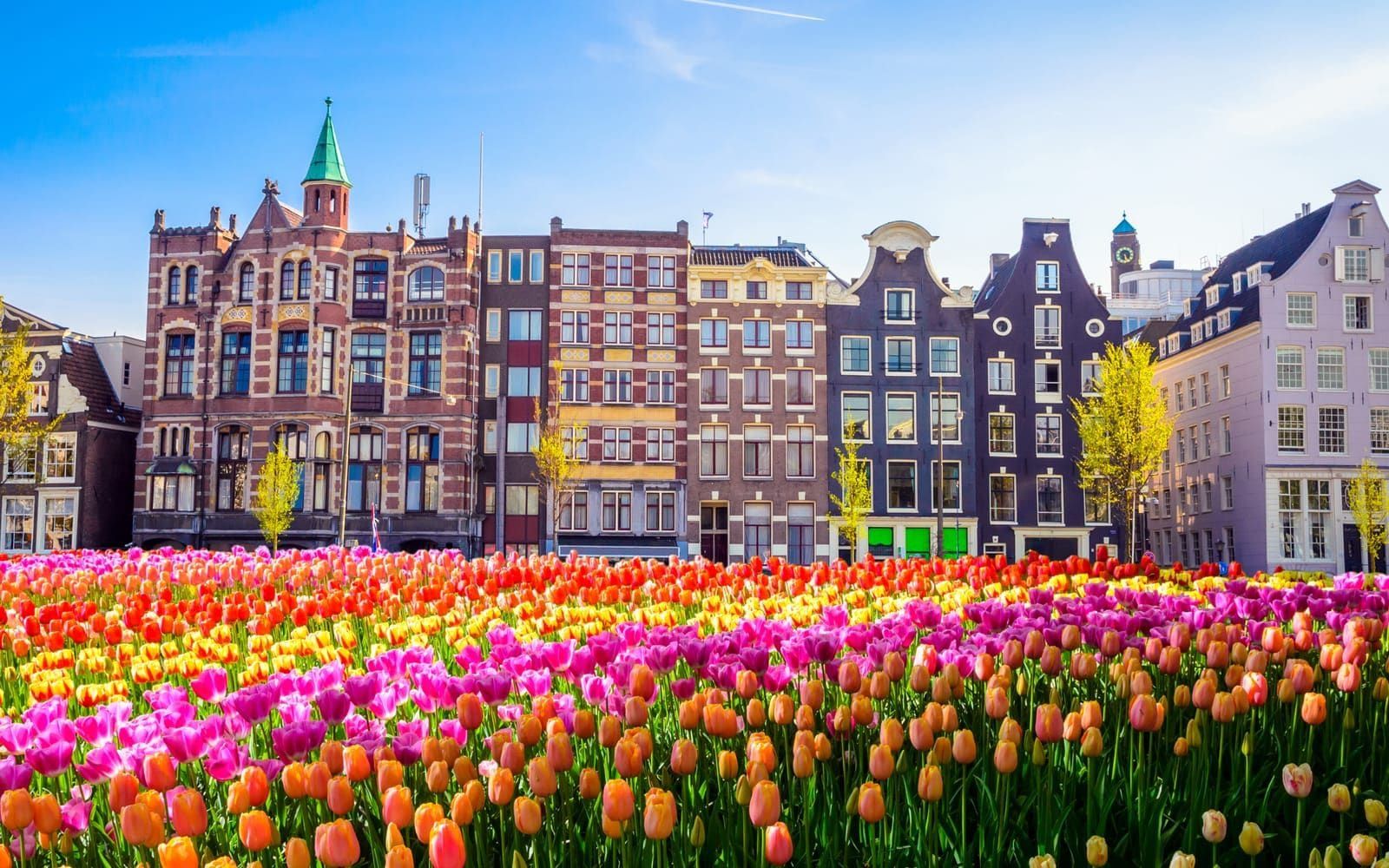
The Netherlands is one of the easiest countries in Europe to arrive in and one of the hardest to arrive in unprepared. English is widely spoken, institutions work well, and processes are digital. But those processes interlock: you need an address to register, a registration to get your BSN, and a BSN for almost everything else.
This guide walks through the full sequence of a move, from the permit question months before departure to the moment your household actually runs. Follow the order and the pieces fall into place.
Start with your right to reside
Everything depends on your nationality. EU, EEA and Swiss citizens can live and work in the Netherlands without a permit and only need to register after arrival. Everyone else needs a residence permit from the IND, the Dutch immigration service, and usually an entry visa (MVV) before travelling.
The most common routes are the highly skilled migrant permit through a recognised sponsor employer, the partner and family reunification permits, the startup and self-employment permits, and the DAFT permit for US citizens. Each has its own conditions and income requirements, and the thresholds change every year, so check current IND figures rather than relying on older blog posts.
Decide your route before you book flights. Application and decision times of several weeks to a few months are normal, and some steps must be completed from your home country.
The first two weeks: registration and BSN
If you stay longer than four months, you must register at the municipality where you live. Registration gives you your BSN, the citizen service number that unlocks nearly everything: employment payroll, health insurance, banking, a phone contract, childcare and taxes.
To register you need a residential address and your legalised personal documents, such as a birth certificate with an apostille where required. Prepare those documents before you leave your home country, because arranging them from abroad afterwards is slow and frustrating.
- Register at your municipality and receive your BSN
- Take out Dutch health insurance, mandatory within 4 months of registration
- Open a Dutch bank account for rent, salary and direct debits
- Get a Dutch SIM or number for verification codes and DigiD
- Apply for DigiD, your login for government and healthcare services
Housing: the hardest part of the move
The Dutch rental market is genuinely competitive, especially in and around the big cities. Good rentals are often gone within days, viewings fill up fast, and landlords ask for proof of income and employment before they respond. Assume the housing search will take more effort than the immigration paperwork.
Most expats rent first and consider buying later. Expect a deposit of one to two months of rent, and read any contract carefully before signing. Because your municipal registration depends on your address, securing a home where registration is allowed is not a detail, it is a requirement. Our housing guide covers the search in depth.
Work, income and the 30% ruling
If you are employed, your employer handles payroll tax once you have a BSN. Employees recruited from abroad with specific expertise may qualify for the 30% ruling, a tax facility that leaves part of the salary untaxed for a limited number of years. The conditions and percentages have been tightened in recent years, so verify the current rules with the Belastingdienst or a tax adviser before counting on it.
If you plan to work for yourself, you will register with the KvK, the Dutch Chamber of Commerce, and may need a specific permit depending on your nationality. Our business guide explains that route.
Settling in: from arrival to actually living here
A move is finished when daily life runs by itself: children are in school, the GP knows your name, utilities are in your name and you know where to be on a Saturday morning. Register with a huisarts, the general practitioner who is the gateway to all Dutch healthcare, soon after arrival rather than when you first get ill.
Give yourself a season to adjust. The Dutch are direct, agendas are sacred, and most services expect appointments. Once you learn the rhythm, the Netherlands is an exceptionally easy place to live.